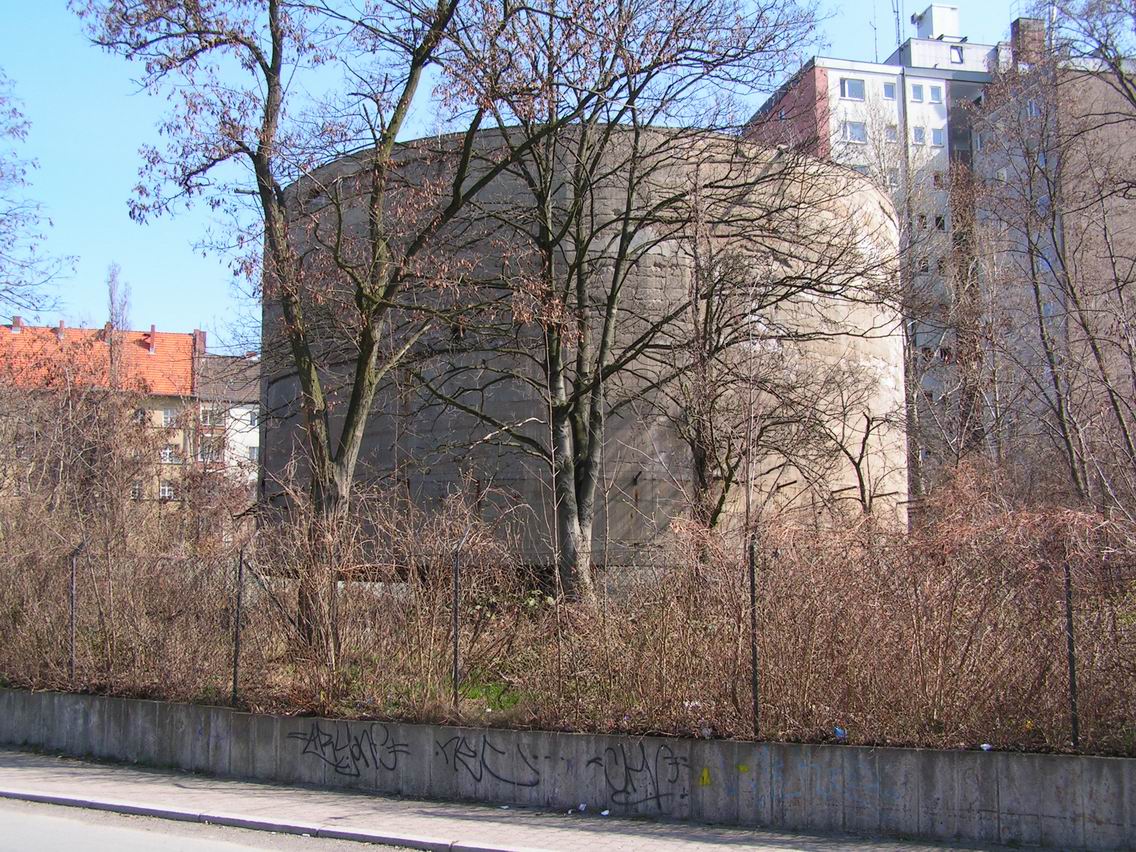

1. Archival Origins: Understanding The Mysterious Disappearance of Martin Bormann
When historians examine the turning points of the Second World War, major amphibious landings and massive tank battles often dominate textbooks. Yet behind the headlines, episodes such as The Mysterious Disappearance of Martin Bormann reveal how intelligence, technical ingenuity, and individual determination shaped the conflict at its most critical junctures. Centered in Lehrter Bahnhof, Berlin, Germany during May 1945 – 1998, this remarkable chapter of history demonstrates why Martin Bormann disappearance Berlin 1945 remains one of the most closely studied subjects in modern historical scholarship.
For beginners exploring World War II history, understanding why this event mattered requires looking at the broader strategic map of May 1945 – 1998. Across every theater of war, commanders faced a constant dilemma: how to achieve decisive results without exhausting scarce manpower and equipment. Figures such as Fritz Bauer and Artur Axmann recognized that conventional force was rarely enough on its own. Success demanded careful preparation, accurate reconnaissance, and the courage to act before the adversary could adapt.
In this guide on Random Knowledge, we examine the verified historical record behind Martin Bormann. Drawing on declassified wartime archives and peer-reviewed historiography, we break down the essential facts, timeline, key personalities, and practical lessons so you can separate documented reality from wartime folklore.
2. Inside the May 1945 – 1998 Directives and Institutional Apparatus
To appreciate how events unfolded in Lehrter Bahnhof, Berlin, Germany, it helps to examine the operational environment of May 1945 – 1998. Wartime decision-making never happened in a vacuum. Communications had to travel through encrypted radio networks or couriers operating under strict blackout conditions, while weather forecasts and supply schedules dictated what was physically possible.
2.1 The Strategic Environment in Lehrter Bahnhof
During May 1945 – 1998, Lehrter Bahnhof, Berlin, Germany occupied a sensitive position in wartime planning. Every movement of personnel or specialized equipment risked detection by aerial photo-reconnaissance or local informant networks. Consequently, planners associated with Fritz Bauer established strict compartmentalization so participants were briefed only on the specific tasks they needed to execute.
2.2 Key Personalities and Command Structure
Historical accounts of Martin Bormann disappearance Berlin 1945 emphasize the collaboration between specialists from diverse backgrounds. Alongside career officers, wartime organizations recruited linguists, scientists, engineers, and resistance guides. Specifically, records highlight the contributions of Fritz Bauer, Artur Axmann, German Forensic Scientists (1972 & 1998), whose combined expertise turned an ambitious concept into a coordinated field reality.
3. 6 Documented Facts From Wartime Records
When evaluating Martin Bormann disappearance Berlin 1945, historians rely on cross-referenced primary documentation rather than secondhand rumors. Below are the 6 core historical facts documented in official archives regarding The Mysterious Disappearance of Martin Bormann:
- Verified Timeline and Operational Scope (May 1945 – 1998): Primary war diaries confirm that key events unfolded across Lehrter Bahnhof, Berlin, Germany during May 1945 – 1998. Rather than occurring as an isolated accident, the episode was shaped by months of preparation and intelligence reviews led by Fritz Bauer.
- The Central Role of Fritz Bauer: Contemporary dispatches highlight how Fritz Bauer, alongside Artur Axmann, coordinated critical decisions under extreme time pressure. When unexpected friction threatened the initiative, field leaders relied on disciplined contingency plans.
- Integration of Martin Bormann disappearance Berlin 1945: Archival records show that Martin Bormann disappearance Berlin 1945 depended on a tight combination of physical security, reliable communications, and local geographic knowledge in Lehrter Bahnhof, Berlin, Germany.
- Counter-Intelligence and Adversary Reactions: Opposing commanders initially misread the indicators coming out of Lehrter Bahnhof, Berlin, Germany. Because reconnaissance reports were fragmented, decision-makers hesitated at the decisive moment, granting Fritz Bauer a vital operational window.
- Logistical and Technical Hurdles Overcome: Equipment shortages, harsh weather conditions, and transport bottlenecks in Lehrter Bahnhof, Berlin, Germany tested every unit involved. Engineers and support personnel devised practical field modifications that kept operations moving.
- Declassified Postwar Assessments: Many details surrounding Martin Bormann remained classified for decades after 1945. When national archives opened their files, historians discovered original memoranda, maps, and transcripts that corrected earlier wartime myths.
Taken together, these 6 points illustrate why Martin Bormann cannot be reduced to a simple wartime anecdote. Each phase required synchronization between headquarters and the personnel confronting real-world hazards in Lehrter Bahnhof, Berlin, Germany.

4. Why the Project Stalled: Logistics, Allied Pressure, and Reality
Even the most thorough blueprint encounters friction the moment operations begin. In the case of The Mysterious Disappearance of Martin Bormann, events in Lehrter Bahnhof, Berlin, Germany tested the nerve and adaptability of everyone involved. Communications delays, mechanical wear, and shifting patrols meant field personnel had to make rapid judgments.
4.1 Overcoming Unforeseen Obstacles
One of the clearest lessons from Martin Bormann disappearance Berlin 1945 is how small tactical details carry strategic weight. Contemporary after-action reports note that Fritz Bauer and Artur Axmann paid close attention to minor factors—such as clothing authenticity, signal discipline, fuel reserves, and local customs in Lehrter Bahnhof. When unexpected complications arose during May 1945 – 1998, that preparation prevented a local setback from escalating into failure.
5. Evaluating Primary Sources & Avoiding Wartime Sensationalism
Studying Martin Bormann disappearance Berlin 1945 offers practical insights not only for military historians, but for anyone interested in critical thinking and archival research. Popular media often sensationalizes World War II stories, adding dramatic inventions that obscure what actually happened in May 1945 – 1998.
5.1 Actionable Advice for History Readers and Researchers
If you want to explore Martin Bormann or similar topics in greater depth, follow these practical steps used by professional historians:
- Start With Digitized National Archives: Consult open-access repositories such as the UK National Archives (Kew), the U.S. National Archives (NARA), and the Bundesarchiv, which host original war diaries from May 1945 – 1998.
- Verify Visual Sources via Wikimedia Commons: Always inspect the original file description page, photographer credit, and capture date of historical photographs from Lehrter Bahnhof, Berlin, Germany.
- Compare Memoirs Against Contemporary Logs: Cross-checking postwar memoirs against daily operational logs recorded in May 1945 – 1998 ensures chronological accuracy regarding Fritz Bauer.
Explore More in Hitler and Nazi Germany – Hidden History
Want to dive deeper into related World War II archives? Browse our curated category collection or jump directly to related historical investigations.
6. Conclusion: Historical Lessons From Martin Bormann
In conclusion, The Mysterious Disappearance of Martin Bormann stands as a compelling reminder that the outcome of World War II was shaped by thousands of interconnected decisions, sacrifices, and innovations across the globe. By examining the events of May 1945 – 1998 in Lehrter Bahnhof, Berlin, Germany, we gain a clearer appreciation for the pressures faced by Fritz Bauer, Artur Axmann, German Forensic Scientists (1972 & 1998) and the lasting significance of Martin Bormann disappearance Berlin 1945.
Continue your exploration on Random Knowledge by reading our related articles on The Nazi Experiments to Develop Flying Saucers, How Hitler Planned to Rebuild Berlin, and The German Enigma Machine and Its Secret Code, or visit our Hitler and Nazi Germany – Hidden History hub for more verified World War II history.